Polygon's Oli Welsh argues that Nintendo Direct didn't just change how game companies communicate — it effectively killed E3 and set the template for the endless showcase parade we're all stuck with now, Summer Game Fest included. His verdict: this is entirely Nintendo's fault.
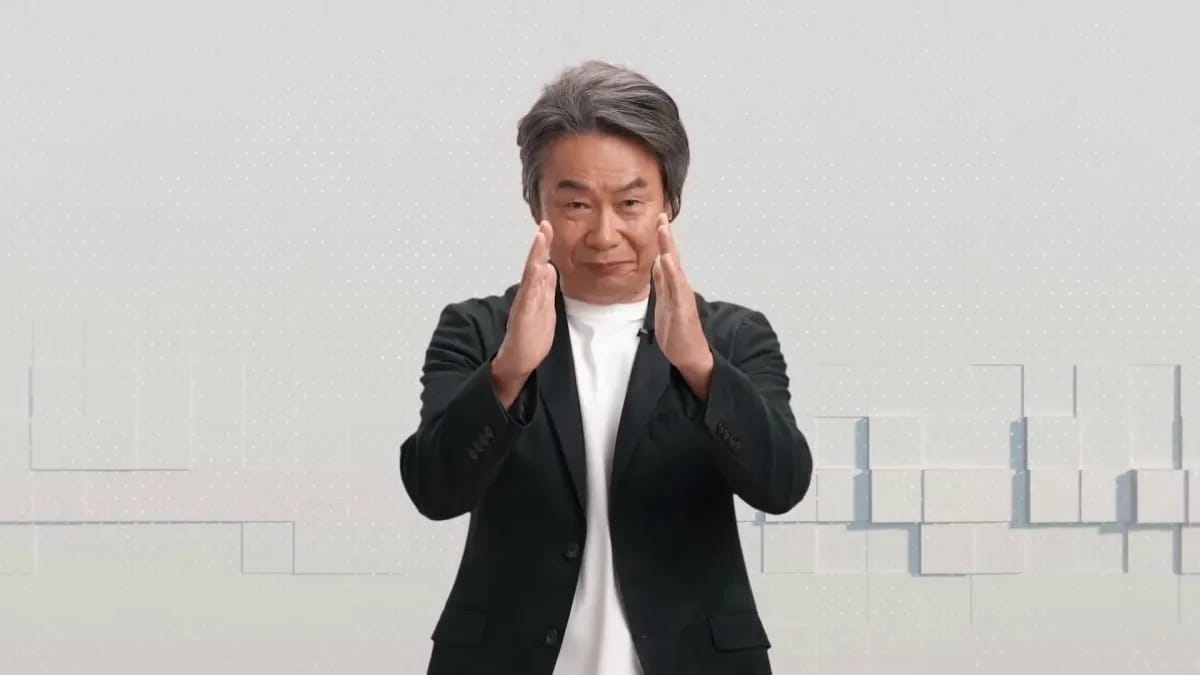
The logic was sound at the time. Nintendo figured out that streaming was cheaper and more effective than a splashy stage show, so it cut out the middleman entirely. The format found its own odd identity — suited executives in front of plain white walls, Japanese voiceover with overdubbed translation, a strangely sober presentation that somehow underlined Nintendo's playful spirit. Rivals copied the format but missed the point, planting their own talking heads in front of glossy digital backdrops and polished studio sets. Journalists initially resented being bypassed, then realized they could pull plenty of traffic covering Directs anyway. Fans felt directly included. Everyone adapted.
Nintendo didn't fully abandon the E3 show floor for years, but the seal was broken. Other publishers and platform-holders saw they could build their own audiences on their own schedules. E3's slow decline was already underway before the pandemic finished it off. What's left is what Welsh calls a "vestigial digital after-image" of E3 — loosely orbiting Geoff Keighley's Summer Game Fest, which is happening this week. Nintendo itself often skips the whole thing and drops its own Direct later in the summer.
Welsh's broader point is that the homogenization is the real cost. E3 concentrated the spectacle into one theatrical week; now the same volume of announcements is smeared across the entire year, and every showcase looks and feels the same. Summer Game Fest is the most visible symptom of that problem.
Sources (1)
AI-assisted summary, reviewed by our editors — how we work.
Get the daily digest
Top gaming news in Lithuanian — every day at 9:00.