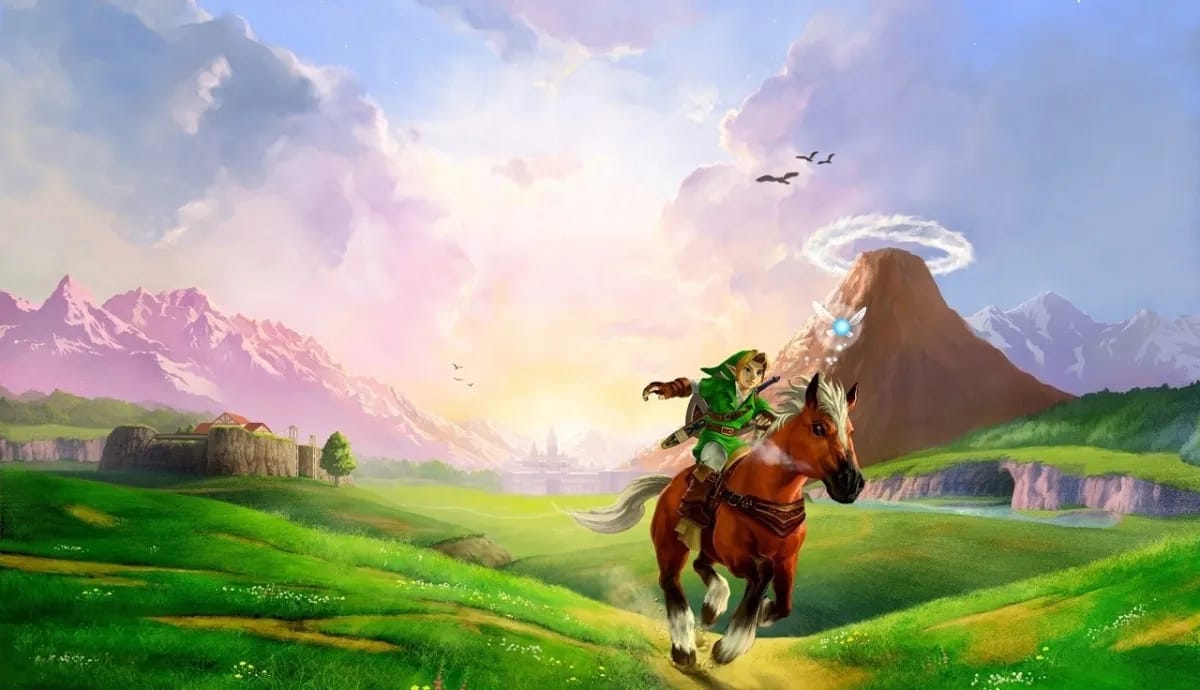

Shigeru Miyamoto has spoken to Japanese magazine Famitsu to defend Nintendo's heavy focus on remakes, arguing they're essential for keeping franchises alive across generations. The Switch 2's early lineup has leaned hard into this approach, with Star Fox remakes already out and Zelda: Ocarina of Time on the way — alongside new titles like Donkey Kong Bananza, Fire Emblem Fortune's Weave, and Pokémon Pokopia.
Miyamoto's argument is generational: "Some people might say there are a lot of remakes, but after five years, a lot of people have outgrown games and stop playing them. Young people today don't have the opportunity to play games from 10 years ago, so remaking them to be more playable and releasing them again is a good way to meet the demand." He added that introducing players to older games "leads to future developments," suggesting remakes are partly a way to gauge interest in dormant series.
The logic has some merit — Nintendo's back catalog is notoriously hard to access legally, and the company has a long history of re-releasing classics going back to the Game Boy Advance era. But critics point out that expensive remakes aren't the only solution to preservation problems, and that Nintendo's aggressive stance against fan-led preservation efforts sits awkwardly alongside Miyamoto's concern for accessibility.
For fans, the bigger question is what comes next. Star Fox hasn't had a well-received original entry in roughly 20 years, and the last mainline Zelda was Tears of the Kingdom in 2023 — with no follow-up announced. A Super Mario Odyssey sequel is also conspicuously absent, nearly nine years after that game launched. If Miyamoto is right that remakes pave the way for new entries, players are watching closely to see whether that promise actually delivers.
Sources (1)
AI-assisted summary, reviewed by our editors — how we work.
Get the daily digest
Top gaming news in Lithuanian — every day at 9:00.
Related on The Legend of Zelda: Ocarina of Time

Legend of Zelda Manga and Books Are Part of Amazon's Buy 2 Get 1 Free Sale
Amazon's Prime Big Deal Days sale is wrapping up tonight, but Legend of Zelda fans can still grab a solid book deal before it ends. Several...

Zelda: Ocarina of Time Remake Supports Real Ocarinas, Humming, and a Revamped Nintendo Switch App
Nintendo's remake of The Legend of Zelda: Ocarina of Time is coming to Switch 2 with two major additions that live entirely outside the game...

Zelda: Ocarina of Time Remake Clip Shows Off Ganondorf in More Detail
Nintendo dropped a 16-second clip through its Nintendo Today! app giving fans a closer look at Ganondorf in the upcoming Ocarina of Time rem...