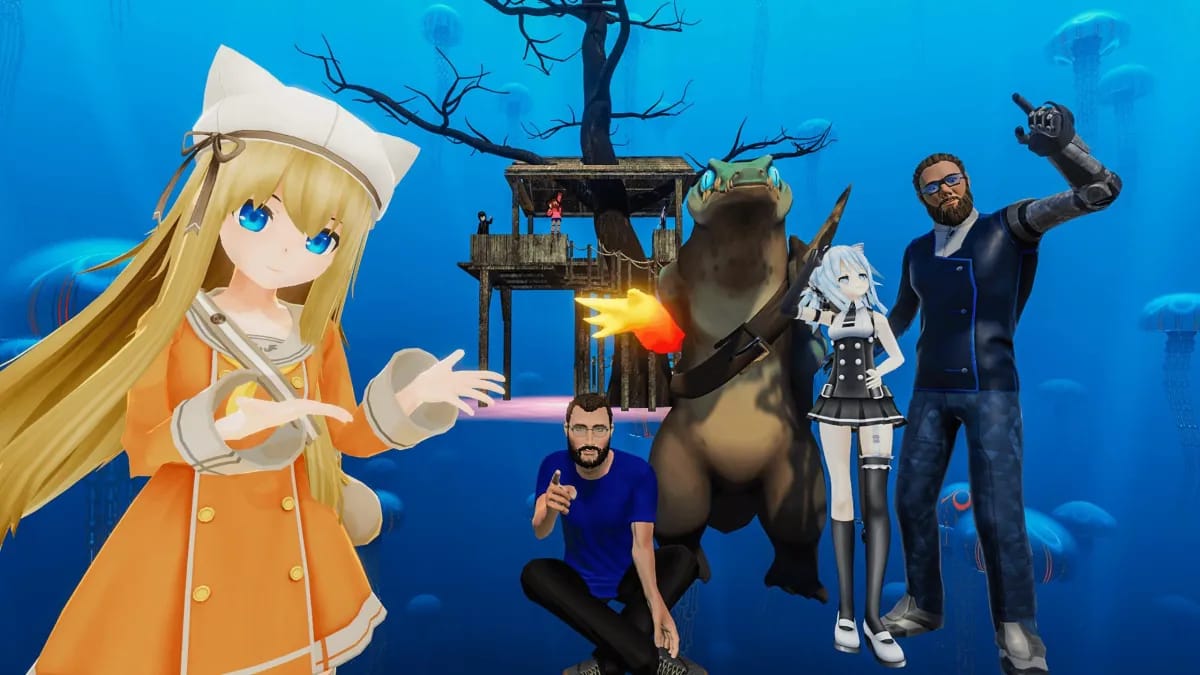

VRChat is in the middle of a community-driven protest over the flood of AI-generated content on the platform, sparked by a prominent volunteer stepping back from their work in direct response to what they called a "rampant plague" of AI worlds and images. The backlash has pushed VRChat's developers to issue an official statement and open a community consultation on where to draw the line.
The protest was kicked off by Patroll, one of VRChat's most visible community contributors — known for running the fan wiki, helping with testing, and handling translations. Citing AI-generated thumbnail images that misrepresent world content in search results as a particular problem, Patroll announced they were stepping back from volunteer work and called on other creators to add banners to their worlds explicitly stating no AI was used. The response was swift: many of the platform's most popular worlds picked up the banner, making the protest hard to miss inside the app itself. VRChat responded directly, acknowledging it finds itself at an "uncomfortable crossroads" — their words. "On one hand, AI can help accelerate development and ease technical burden," the company wrote, "while on the other, it can generate endless streams of low-quality, low-effort content that erodes human connection."
VRChat occupies a genuinely unique space in the social gaming landscape. The free app is built almost entirely on user-created worlds and avatars, functioning as the kind of open social metaverse that Meta spent billions trying and largely failing to build. Its economy runs on in-app purchases, subscriptions, and a thriving commission scene where creators sell custom avatar work to other players. That community-built foundation is exactly what makes AI slop particularly corrosive here — discoverability depends on search thumbnails and world quality, and both are now being gamed.
On the policy side, VRChat has moved immediately to ban deceptive thumbnails. They've also greenlit AI use for translation, coding assistance like GitHub Copilot, and AI-powered tools inside engines like Blender or Unity for personal development work. The murkier territory — AI-generated assets inside worlds, fully AI-built worlds, or AI driving in-world physics and game logic — is being put to the community, with options ranging from mandatory labeling to outright prohibition. The company also says it plans to improve search to surface higher-quality content, though specifics on that front remain vague. With the consultation now open, how far VRChat goes will depend heavily on how loudly the community keeps pushing.
Sources (1)
AI-assisted summary, reviewed by our editors — how we work.
Get the daily digest
Top gaming news in Lithuanian — every day at 9:00.