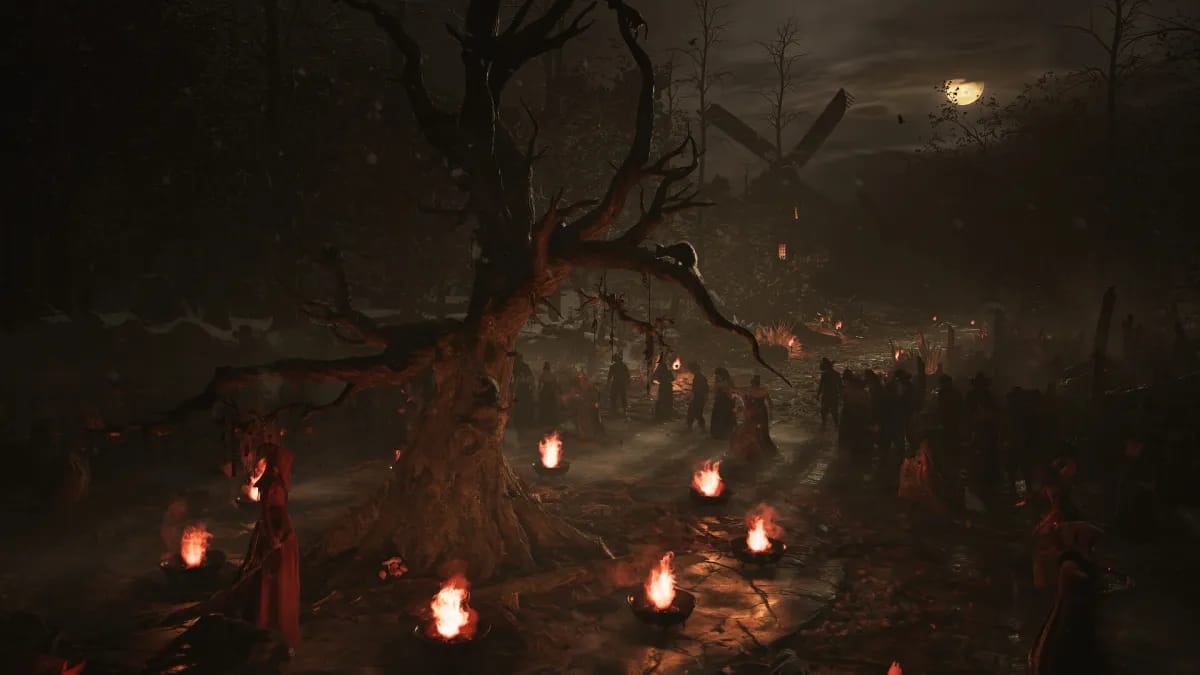

Panache Digital Games, the studio behind high-profile action-adventure 1666: Amsterdam, has issued a public apology after players spotted AI-generated assets in the game's prologue, which dropped on Steam shortly after the title's big reveal at Summer Game Fest. The studio has promised a replacement update with human-made art coming soon.
Panache confirmed on X that some early-version assets — including in-game portraits and external marketing material — made it into the released prologue. The studio says its team of over a dozen artists is actively reviewing everything flagged by players. Human-made replacements will arrive in an upcoming update, and Panache has pledged that neither the Early Access release nor the full game will contain any AI-generated assets.
The apology itself is a masterclass in passive-voice deflection — Panache describes the AI assets as things that "made their way into" the prologue, as if they wandered in uninvited rather than being placed there by someone on the team. It's a pattern that keeps repeating across the industry: studios quietly ship AI art, get caught, then issue a mea culpa framed as an oversight rather than a deliberate choice.
The gaming community's reaction was swift and loud, which is exactly why the backtrack happened at all. Players have proven repeatedly that they can spot AI-generated art and force studios to act — and that public pressure remains one of the few effective checks on the practice.
Sources (2)
AI-assisted summary, reviewed by our editors — how we work.
Get the daily digest
Top gaming news in Lithuanian — every day at 9:00.
Related on 1666: Amsterdam

1666: Amsterdam hands-on — witchy action-adventure has big ideas but rough edges ahead of August early access
Patrice Désilets, the original creator of Assassin's Creed, is finally close to releasing 1666: Amsterdam — his passion project over 15 year...

1666: Amsterdam hits early access on August 25 with 15 hours of content
1666: Amsterdam, the dark witchy action game from Assassin's Creed creator Patrice Désilets and his studio Panache Digital Games, launches i...

1666: Amsterdam dev diary breaks down its Dutch Golden Age art and Giallo horror influences
Panache Digital Games has released a dev diary for 1666: Amsterdam — the supernatural dark fantasy from Assassin's Creed creator Patrice Dés...