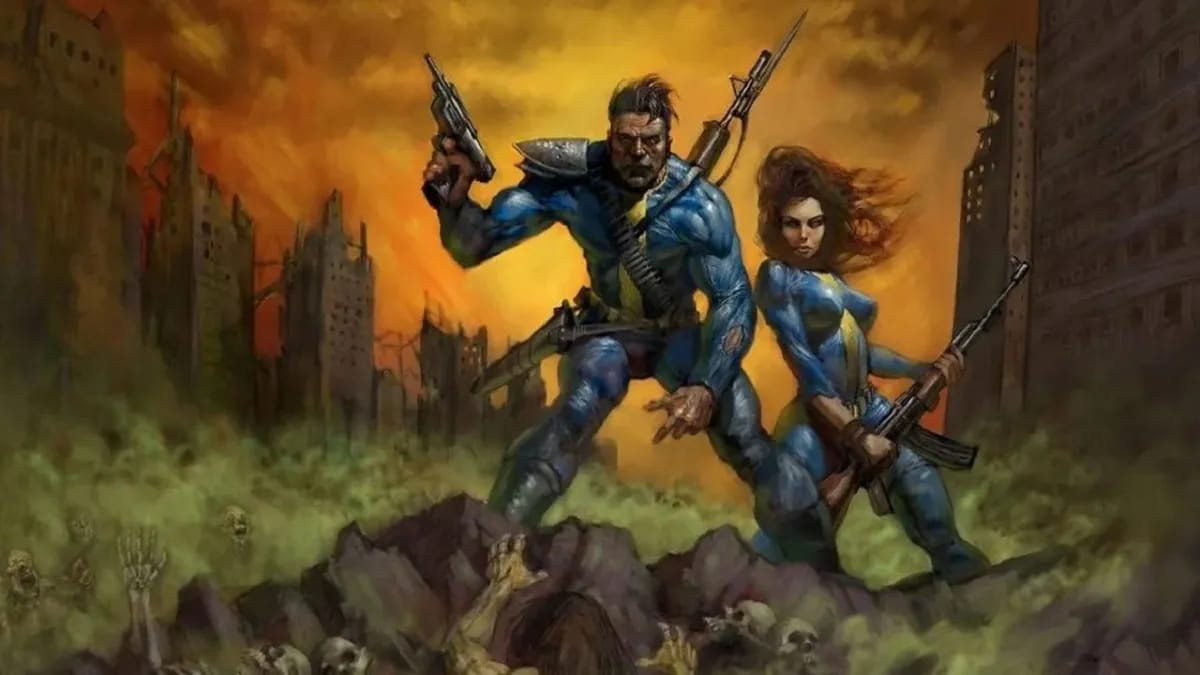
Fallout creator Tim Cain weighed in on one of RPG fandom's oldest arguments — turn-based versus real-time combat — and landed firmly in neither camp. In a recent YouTube video, Cain laid out a measured case for both styles having legitimate uses, depending on what a game is actually trying to do.
Cain's take is broader than the usual turn-based versus real-time-with-pause debate. He treats real-time as a full category, not just the RTWP style codified by the original Baldur's Gate. His breakdown: real-time is naturally the better fit for first-person games, keeps combat moving faster, and handles large numbers of on-screen characters without grinding to a halt. The downside is that managing multiple characters in real-time is genuinely harder, and RTWP's pause mechanic is, in his words, a bandaid — "it doesn't solve all the problems." Turn-based, meanwhile, gives players time to think and maps cleanly onto tabletop rules, but its slow pace is a real drawback. He used Baldur's Gate as a concrete example of where the seams show: enemies can walk out of an area-of-effect spell's radius while you're still mid-cast, which is a direct collision between turn-based tabletop logic and real-time execution. Cain also noted that real-time games demand more raw player skill and reaction time — which can raise a game's skill ceiling, but cuts against the RPG ideal of buildcrafting and strategy mattering more than twitch reflexes, unless you're deliberately making an action-RPG hybrid. Cain himself was project lead on The Temple of Elemental Evil, a strictly turn-based D&D adaptation released after Baldur's Gate.
Cain's perspective carries weight because he's shipped games on both sides of the divide. His broader point is that combat style is a tool, not a philosophy — developers should pick the one that serves the game, not defend it as inherently superior. What he does firmly advise against is designing for both simultaneously and letting players switch between them, as Arcanum, Pillars of Eternity, and Owlcat's Pathfinder games do. That approach, he says, is "setting yourself up for a lot of work." His Obsidian colleague Josh Sawyer has previously argued that turn-based fell behind partly due to a lack of tactical variation, while James Brawley, lead designer on the upcoming Star Wars Zero Company, has said he still believes RTWP will have a resurgence.
Cain's conclusion is straightforward: both styles have "loud, vocal advocates," and both deserve to exist. The debate isn't going away — but his framing as a pragmatic toolset question rather than a tribal loyalty one is a useful reset for a conversation that tends to generate more heat than light.
Sources (1)
AI-assisted summary, reviewed by our editors — how we work.
Get the daily digest
Top gaming news in Lithuanian — every day at 9:00.