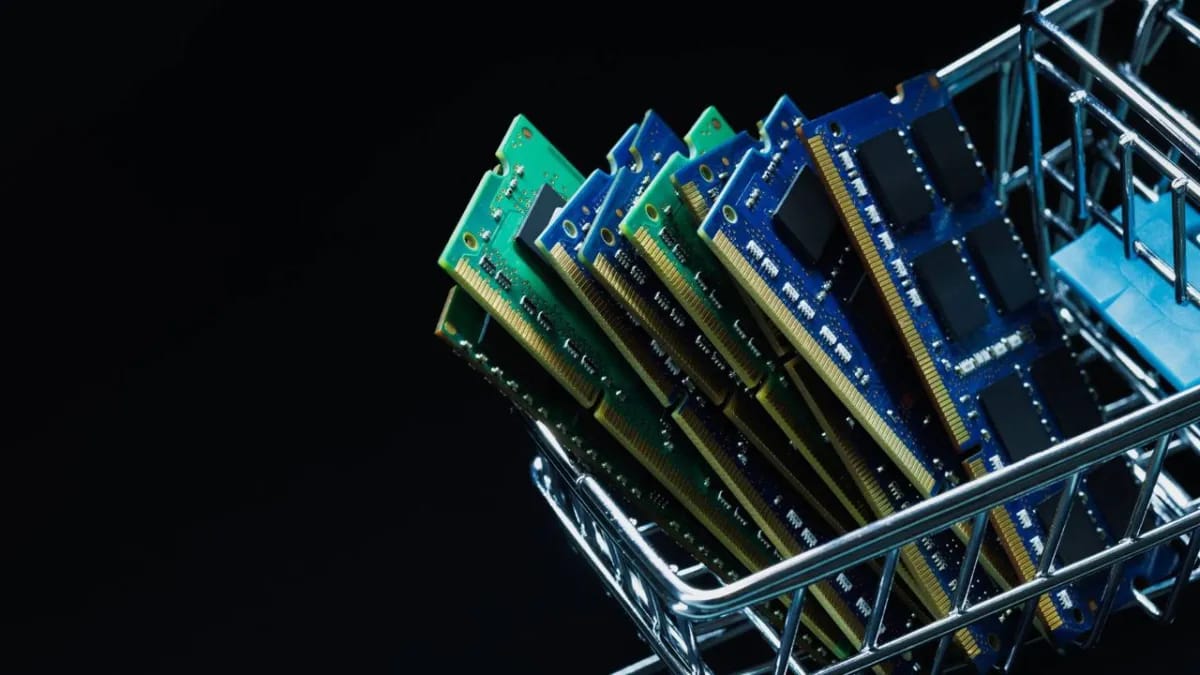
Global PC shipments fell 4% year-on-year in Q2 2025, marking the first decline since Q1 2024, according to new data from Counterpoint Research — figures that line up with what IDC reported earlier this month. The culprit is the ongoing memory price crisis, which has pushed up PC bill-of-materials costs to the point where OEMs are raising prices, cutting entry-level configs, or shifting focus to higher-margin premium systems.
The pain isn't spread evenly. Lenovo shipments dropped 2%, HP fell 8%, and Dell slid 6%. Asus and Apple bucked the trend — Asus grew 4%, while Apple surged 13%, likely driven by the budget-friendly MacBook Neo. Those gains weren't enough to offset the broader decline, though. Counterpoint notes that commercial refresh cycles tied to Windows migration and AI PC adoption are still propping up some demand, but surging DRAM prices are increasingly squeezing both OEMs and consumers. Framework put a sharp number on it yesterday, revealing that one of its memory suppliers raised costs by more than double compared to the previous shipment — a hit that smaller builders can't absorb the way Dell or HP can, at least temporarily.
The PC market had been on a recovery run since bottoming out after the post-pandemic slump, with AI PC hype and the looming Windows 11 migration deadline giving manufacturers reasons for optimism. But RAM prices have been climbing for months, and it was only a matter of time before those costs passed through to retail. Midrange gaming PCs that were reasonable deals even during Prime Day last month are now regularly sitting around $1,500, and finding a capable build under $1,000 is increasingly rare. When budget options do appear, they often come with DDR4 instead of DDR5, or a single DDR5 stick running in single-channel mode — a cost-cutting move that quietly tanks performance.
The outlook isn't encouraging. Analysts expect memory prices to keep climbing, which means OEMs have limited room to hold the line on retail pricing. If Framework's supplier costs are any indication of what the broader supply chain looks like right now, the Q2 dip may just be the start of a longer contraction.
Sources (1)
AI-assisted summary, reviewed by our editors — how we work.
Get the daily digest
Top gaming news in Lithuanian — every day at 9:00.