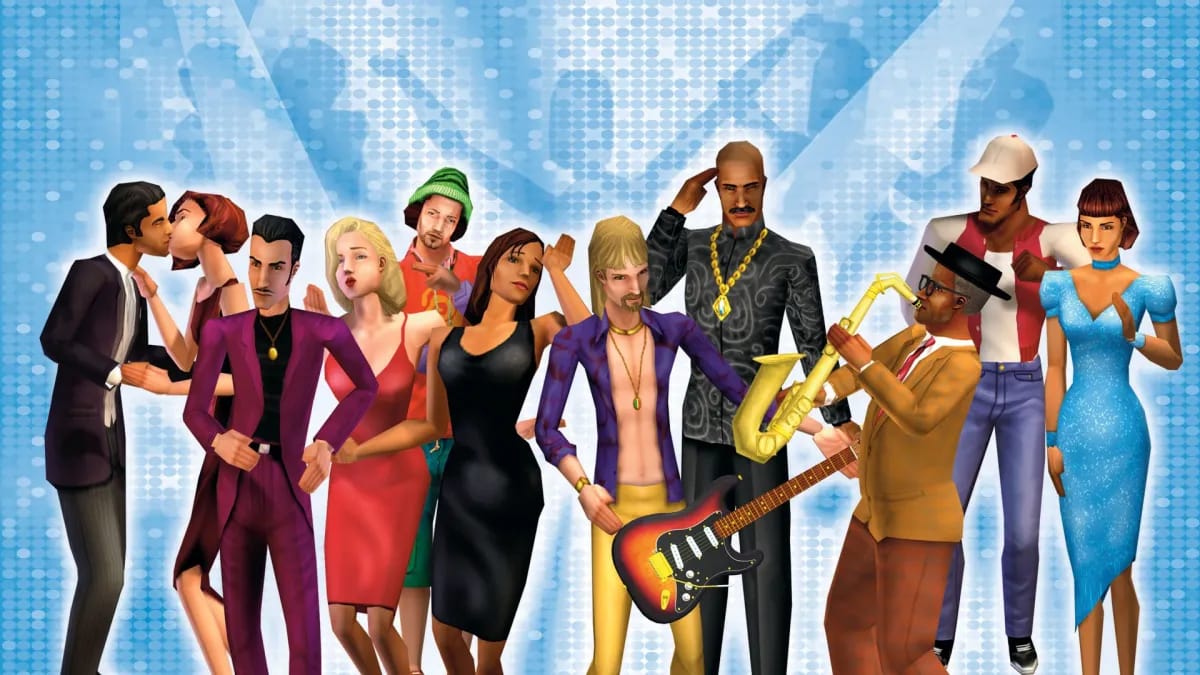

Senior Sims character artist Jess Hyland says she hasn't heard anything about a mandate to reduce diversity in The Sims following EA's Saudi-backed acquisition — and if one ever came down, she'd fight it tooth and nail.
The buyout in question is a $56 billion deal announced last September, with EA being acquired by a consortium of Saudi Arabia's Public Investment Fund, equity firm Silver Lake, and Jared Kushner's Affinity Partners. The group is taking on 100% of EA, with $20 billion of that sum loaded onto EA as debt. CFIUS is widely expected to approve the deal in the coming months. Unionised EA workers have already raised alarms about post-acquisition layoffs tied to that debt load, and EA made an undisclosed round of cuts last month across recruitment, IT, customer support, and its trust and safety division.
The cultural angle is a separate but related worry. Former Dragon Age executive producer Mark Darrah argued last year that studios with progressive track records — he named BioWare specifically — would be the most awkward fit for new Saudi ownership. His logic: a government-backed investor might quietly steer messaging at smaller or newer studios, but forcing a hard pivot at a studio like BioWare would be a PR disaster. The same reasoning applies to Maxis and The Sims, a franchise that has leaned into inclusive character creation and LGBTQ+ representation since the early 2000s, making it one of the more culturally visible parts of EA's portfolio.
Hyland's comments won't settle the broader debate about what EA looks like under new ownership, but they signal that at least some developers are prepared to push back if pressure does materialise. The acquisition still needs regulatory clearance, and the full picture of what Saudi PIF ownership means for EA's studios won't be clear until the deal closes.
Sources (1)
AI-assisted summary, reviewed by our editors — how we work.
Get the daily digest
Top gaming news in Lithuanian — every day at 9:00.