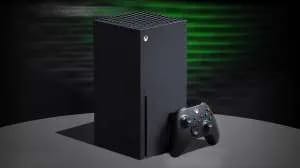
A new forecast from S&P Global Market Intelligence Kagan paints a rough picture for the console industry through the rest of the decade. Console shipments are expected to fall to around 27.1 million units by 2027 — a drop of nearly 20% — before potentially recovering to 37.4 million units by 2030, assuming the component crisis starts stabilizing around 2028.
S&P analyst Neil Barbour sums up the problem bluntly: "hardware that is either too old or too expensive for the median consumer, a software slate that is thin outside a handful of tentpole releases, and a macro environment that keeps any meaningful price relief off the table." For the Switch 2, S&P forecasts 17.1 million units sold in 2026 — slightly above Nintendo's own projection of 16.5 million — but that still represents a 16.9% decline from launch year. A $50 price hike coming in September and a thin game lineup are both dragging on demand, though a potential sales spike could come in 2027 with the launch of Pokemon Winds and Waves. Sony's PS5 is looking at a 15.2% year-on-year drop, with S&P projecting 13.2 million units shipped in 2026, down sharply from 17.1 million in 2025. Xbox is in the worst shape of the three: S&P estimates Microsoft shipped just 3.2 million Xbox Series X|S consoles last year — the lowest annual total ever — and projects only 2.5 million in 2026, followed by what the firm calls "a rapid wind-down toward zero" as Microsoft prepares its next-gen hardware. When next-gen does arrive, S&P expects both PS6 and Microsoft's Project Helix to launch in 2028 at prices between $600 and $800. Project Helix is expected to be especially expensive given its dual role supporting both console and PC marketplaces. S&P forecasts Project Helix launch-year sales of just 2 million units, growing to roughly 7.3 million by 2030. Barbour notes the firm is "splitting the difference" between a traditional Xbox console successor and a living-room PC with Xbox certification — meaning the final form of the hardware is still genuinely uncertain.
The broader context here is that consoles have stopped following the traditional pricing curve where hardware gets cheaper over time. Component shortages and supply chain pressures have pushed prices up instead, pricing out a significant chunk of the mainstream audience. That shift is hitting Xbox hardest because Microsoft's console business was already the smallest of the three, with less margin for error. Sony and Nintendo have larger installed bases and stronger exclusive software pipelines to cushion the blow, but neither is immune to the macro pressures Barbour describes.
Court documents and public statements have already pointed toward a 2028 window for next-gen launches, so that timeline is looking increasingly firm — though as S&P itself acknowledges, a lot can change. The real question for Xbox is whether Project Helix can redefine what a Microsoft gaming device looks like, or whether the wind-down in traditional console sales signals something more permanent for the brand's hardware ambitions.
Sources (1)
AI-assisted summary, reviewed by our editors — how we work.
Get the daily digest
Top gaming news in Lithuanian — every day at 9:00.