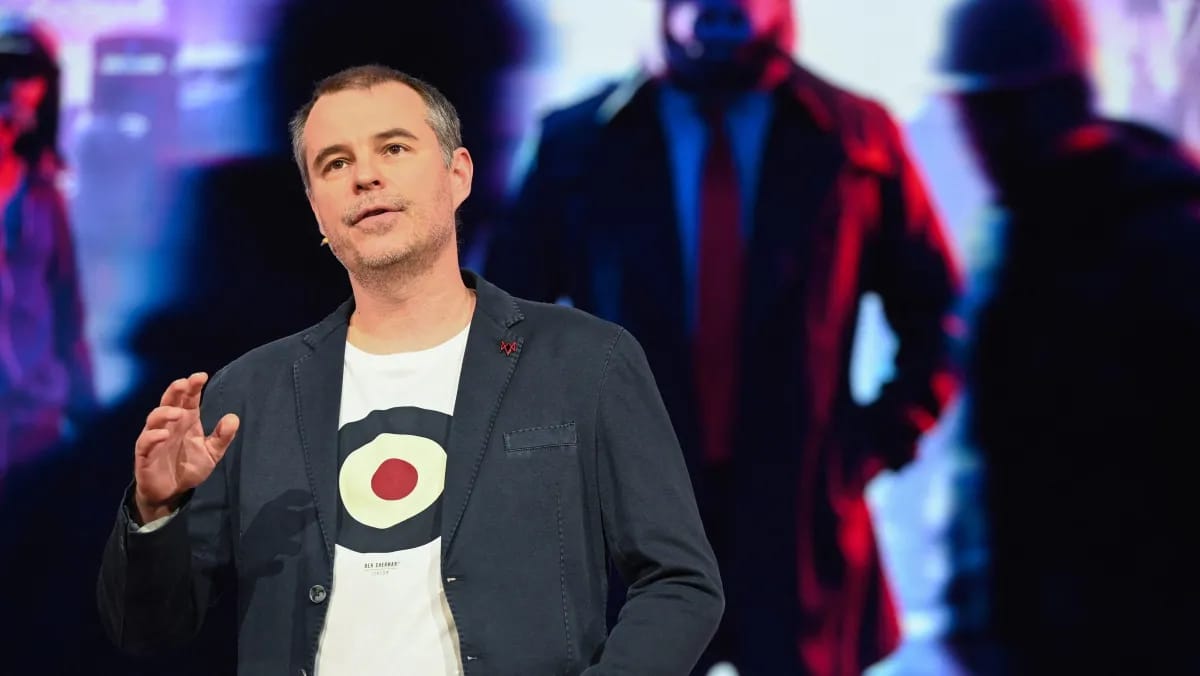
Clint Hocking, the veteran director behind Splinter Cell: Chaos Theory, Far Cry 2, and Watch Dogs: Legion, has opened up about why leading massive development teams at Ubisoft felt increasingly unworkable — and he reached for a classic arcade metaphor to explain it. Speaking on the FRVR podcast, Hocking described large-scale game development as like standing under a construction site while Donkey Kong hurls flaming barrels at you.
Hocking's core frustration was the collapse of direct creative feedback loops as team sizes ballooned. On Splinter Cell: Chaos Theory, he could walk to a developer's desk, sit down, and talk through something as specific as where to place a light source to guide player movement. On a 1,000-person project like Watch Dogs: Legion, that same feedback went through a 30-person review meeting — often without the actual level designer present — got transcribed into Jira tickets, and then took six weeks to iterate on. By the time the revision came back, the context had frequently shifted entirely. "Very often game development feels like this stream of burning barrels falling down from a construction site," he said.
Hocking is one of the more storied creative figures to come out of Ubisoft's golden era. After Chaos Theory and Far Cry 2, he spent years at LucasArts, Valve, and Amazon before returning to Ubisoft for Watch Dogs: Legion, which launched in 2020 to a mixed reception. He then moved to Assassin's Creed and was leading development on Hexe — one of the more mysterious and tonally darker entries in the franchise — out of Ubisoft Montreal. Earlier this year, he and Ubisoft parted ways abruptly during a reshuffle around the Assassin's Creed brand. Jean Guesdon, the franchise's Head of Content and a long-serving series veteran, has since taken over Hexe's creative lead. The game is still reportedly on track for a 2027 release.
Hocking's comments land at a moment when the industry is broadly reckoning with whether the AAA development model — sprawling multi-studio productions with headcounts in the thousands — is actually sustainable or creatively coherent. For Hocking personally, Watch Dogs: Legion remains his only shipped game since Far Cry 2 in 2008, which underlines just how much of his recent career was consumed by projects that either stalled or changed hands. Whether Hexe can hold its 2027 window under new leadership is the question Assassin's Creed fans are now watching closely.
Sources (1)
AI-assisted summary, reviewed by our editors — how we work.
Get the daily digest
Top gaming news in Lithuanian — every day at 9:00.