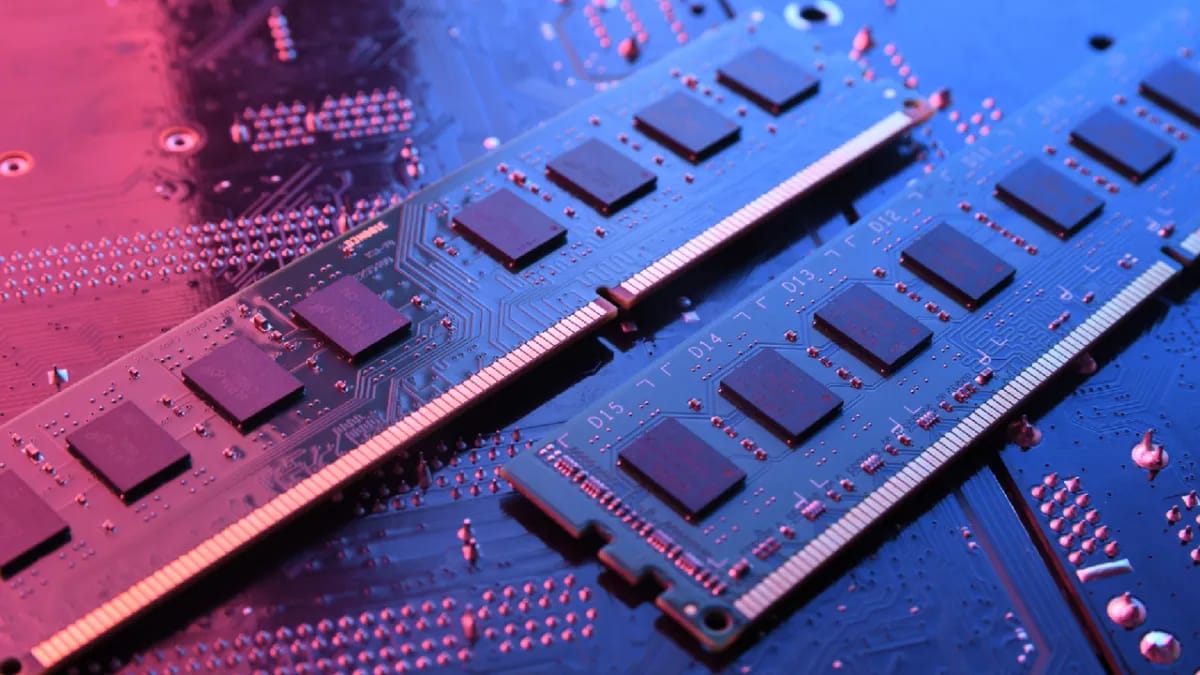
Global PC shipments fell 4.9% year-over-year in Q2 2025, according to a new IDC report — the first decline after nine consecutive quarters of growth. The culprit is the ongoing memory crisis, which is driving up component costs and pushing consumers to delay upgrades.
The numbers break down like this: Lenovo slipped from 17 million units to 16.6 million, HP dropped from 14.3 million to 13 million, and Dell fell from 9.8 million to 9.3 million. Asus held roughly flat. The one clear winner is Apple, which grew from 6.1 million to 6.7 million units — a 10% jump — and expanded its market share from 8.5% to 9.9%. IDC research director Jitesh Ubrani put it plainly: "The real story here is the disconnect between units and dollars: shipments are falling, but revenue is climbing because vendors are pushing through price increases faster than demand is dropping." Apple VP Jean Philippe Bouchard credited the MacBook Neo launch for the share gain, noting that while Apple did raise prices in line with the market, it remains well positioned against rivals facing the same cost pressures.
This is a report on global PC shipments broadly, not gaming PCs specifically — a segment that has historically held up better during downturns. But the memory crisis is an unusual pressure across the entire supply chain. IDC flags supply chain management as increasingly critical going forward, with major manufacturers expected to lock in long-term memory and storage contracts to ride out the crisis. That consolidation of buying power is likely to squeeze smaller vendors who can't negotiate at the same scale. Bernstein Research analysts expect SK Hynix to significantly cut prices by end of 2028, but further increases are likely before any relief arrives.
For consumers, the near-term outlook is bleak: prices stay elevated, shipments keep falling, and the memory crisis shows no sign of a quick resolution. Whether the market stabilizes in a year or stretches well beyond 2028 is genuinely uncertain — and the brands best positioned to weather it are the ones with the deepest pockets and the longest supply contracts.
Sources (1)
AI-assisted summary, reviewed by our editors — how we work.
Get the daily digest
Top gaming news in Lithuanian — every day at 9:00.