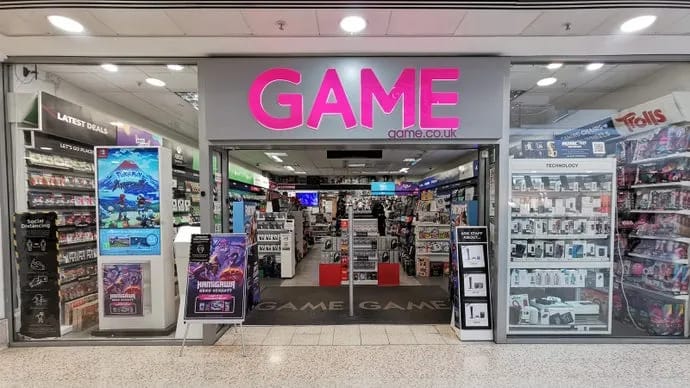
Game, the UK's best-known high street video game retailer, entered administration in February 2025 owing £15.8 million in unsettled debt. A report from administrators James Saunders and Lauren Wentworth of KR8 Advisory, published after the pair were appointed in April, lays out exactly what killed it.
The report traces the collapse back to 2016, when Game's profit dropped 71 percent — roughly £6.8 million — compared to the previous year. By 2017 the company was running at a £7.1 million loss, and things only got worse from there. Saunders and Wentworth point to three main culprits: the shift from physical games to digital downloads, fierce competition within the sector, and "uncertainty associated with Brexit." By 2019 losses had grown further, and Frasers Group — already a shareholder — acquired the Game IP in exchange for a cash consideration, though that deal did nothing to reverse the decline. The final blow came during the 2024 autumn period, historically the most lucrative time of year for games retail. The administrators note that there have been no major console releases since 2020, with manufacturers citing global chip shortages as the reason for delays, and concluded the business was no longer viable.
Game once operated 300 stores across the UK in 2012 alongside two e-commerce sites — one for Game and one for Game Station, the latter eventually folded into the main brand. The broader picture for physical games retail was already bleak before administration, and it hasn't improved since. Grand Theft Auto 6 is launching without a physical disc, Sony has announced it will cease disc production from 2028, and there is no confirmed release window for the next generation of consoles from either Microsoft or Sony. Even if a PlayStation 6 or Xbox successor arrived within the next couple of years, component shortages and rising hardware prices raise real questions about whether a new console cycle could drive the kind of foot traffic that kept stores like Game alive. The Brexit reference in the report is notable but not surprising — the Bank of England and multiple economic analyses have documented the financial drag of leaving the EU on UK businesses and consumers alike.
With physical media in structural decline and no obvious catalyst on the horizon, Game's closure looks less like a one-off failure and more like the inevitable end of a model that the market had been slowly dismantling for a decade. There is no indication of any buyer for the retail operation, and the administrators' conclusion that the business was unviable suggests the Game brand on the high street is finished for good.
Sources (2)
AI-assisted summary, reviewed by our editors — how we work.
Get the daily digest
Top gaming news in Lithuanian — every day at 9:00.