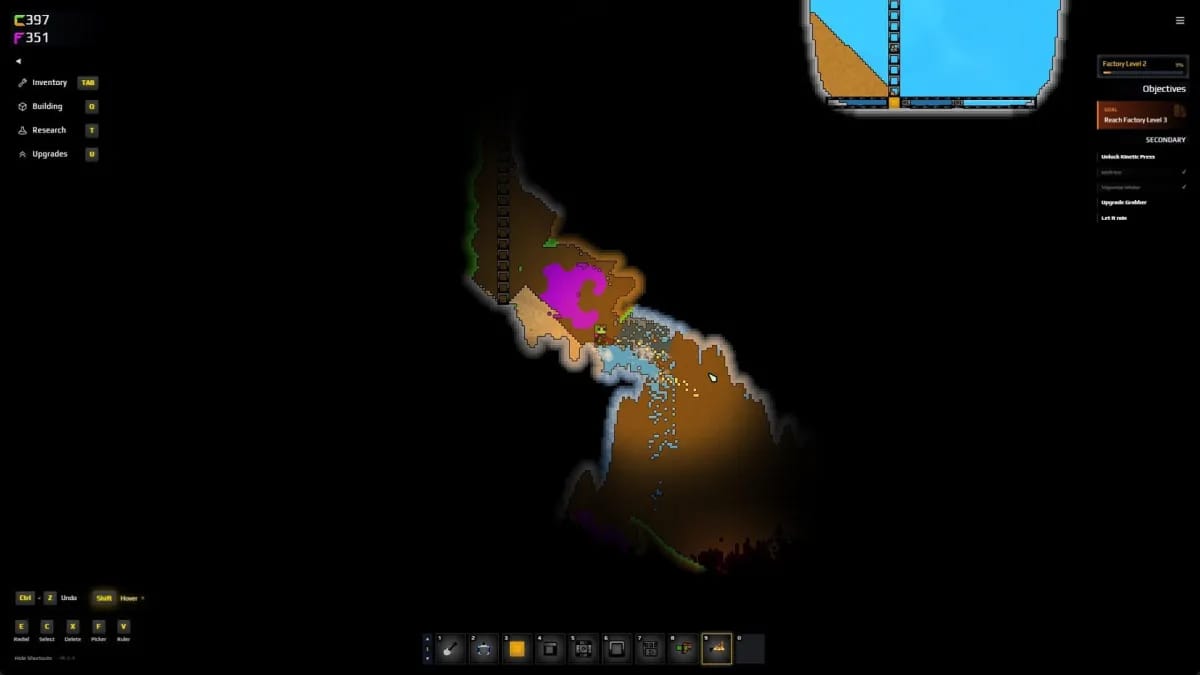

Generative AI witchhunts have become a routine headache for game developers, even those who openly oppose the technology. Recent targets include Sandustry — the 2D factory builder from Hooded Horse — and Humankind 2, whose developer Amplitude felt compelled to publicly confirm that their announcement trailer used genuine live-action footage.
The problem runs deeper than bad-faith accusations. What AI-generated imagery actually looks like is a moving target — there's no fixed style, because the output depends entirely on the training data. Established visual tells go stale fast as models improve, and the flood of new tools with vague, hype-laden descriptions makes it harder for players to calibrate what they're even looking for. AI advocates don't help by conflating different tools and pitching their capabilities in deliberately open-ended terms designed to attract investment rather than inform.
At the same time, the article doesn't let regular users off the hook. Throwing around "AI slop" as a catch-all accusation has become reflexive, and that kneejerk habit is doing real damage to developers who have nothing to do with generative AI. Visual literacy — the ability to actually evaluate an image critically rather than pattern-match to a vibe — is increasingly the skill that separates a useful critique from a mob pile-on.
The headline quote — "Hopefully a meteor will strike the earth soon" — comes from a developer reacting to the exhaustion of constantly defending their work. It captures the mood: not just frustration, but a kind of weary dark humor from people who feel like they can't win regardless of what they actually do.
Sources (1)
AI-assisted summary, reviewed by our editors — how we work.
Get the daily digest
Top gaming news in Lithuanian — every day at 9:00.
Related on Sandustry

Sandustry hits Steam Early Access — a factory automation game where every pixel is a resource
Sandustry, a survival and factory automation game from Lantto Games, is now available in Early Access on Steam. Every pixel in the game worl...

Sandustry hits early access on August 13th
Hooded Horse and Lantto Games have set August 13th as the early access launch date for Sandustry, a 2D factory-building sim launching on Ste...