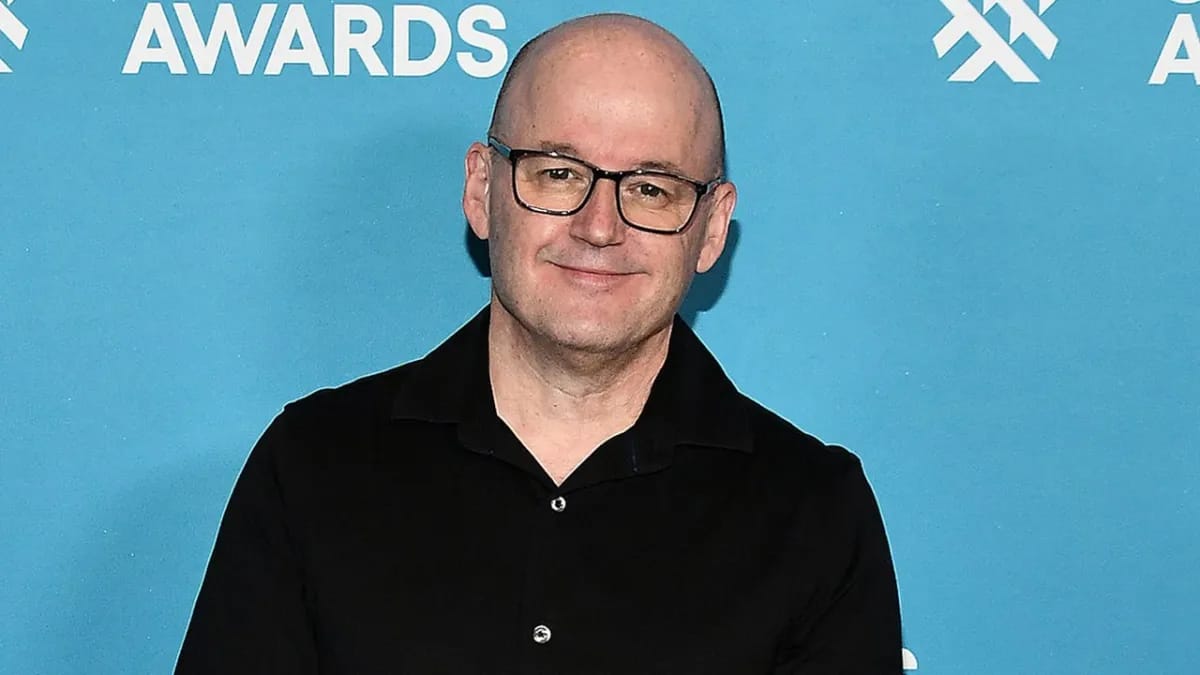
Saber Interactive CCO Tim Willits made headlines at Gamescom with a blunt admission: the studio behind Space Marine 2, SnowRunner, and World War Z has effectively moved all game development out of North America. Only publishing operations remain in the US, while actual development is spread across subsidiaries in Serbia, Armenia, Georgia, Spain, Portugal, Sweden, Argentina, and Australia.
Willits didn't mince words on why. North American studios run burn rates of over $2 million a month, he said — meaning a five-year project in California racks up $120 million in salaries alone before a single line of code ships. By contrast, SnowRunner cost Saber $6 million total to make and has since earned hundreds of millions of dollars. He also took a shot at an unnamed recent triple-A release, claiming Space Marine 2 — which has sold 12 million copies — cost a third of that game's budget while outselling it by 11 million units. Willits pointed to "overspecialization" among developers as another structural problem driving the industry's ongoing struggles, though he pushed back on the idea that the crisis is as severe as media coverage suggests. "You don't need to be in California to be a brilliant programmer or artist or animator," he said.
The comments land at an awkward moment for Saber. The studio recently drew significant backlash over Rideshare Simulator — an Uber-style driving game — after a former writer revealed it used generative AI that wasn't disclosed on its Steam page. CEO Matt Karch then publicly attacked the writer in press statements before later apologising. Willits, speaking separately to Rock Paper Shotgun around the same time, said he doesn't believe the AI controversy has meaningfully damaged Saber's reputation. The combination of the AI fallout and Willits' frank offshoring comments puts Saber in an unusual spotlight for a studio that typically flies under the radar despite its prolific output.
Willits' broader argument — that the traditional North American AAA model is financially unsustainable — isn't a fringe view, but hearing it stated this plainly by a senior executive at a major multiplatform studio is notable. Whether the industry takes it as a warning or a roadmap remains to be seen.
Sources (2)
AI-assisted summary, reviewed by our editors — how we work.
Get the daily digest
Top gaming news in Lithuanian — every day at 9:00.