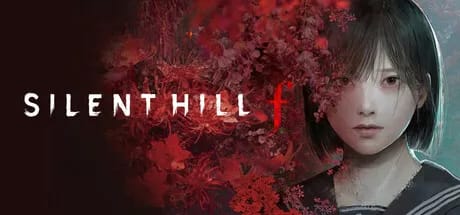

Konami executive producer Motoi Okamoto laid out the thinking behind Silent Hill's revival at CEDEC 2026, and the core argument is blunt: remakes alone don't cut it. Speaking at the conference and reported via 4Gamer and Automaton, Okamoto said the team deliberately avoided a "wait and see remake" — a remake made purely to test whether an old franchise still has an audience. His reasoning: "at best, only about half of the original users will return with a remake," so if Konami wanted to pull in both new players and lapsed fans, nostalgia couldn't be the whole pitch.
The solution was to reestablish what Silent Hill actually is before expanding it. Okamoto identified "psychological horror" as the series' core identity — protagonists confronting guilt, inner conflict, and trauma through symbolic, surreal environments. That framework is why Konami chose Silent Hill 2 as the remake to anchor the comeback: it's the game that embodies those traits most completely. From there, the strategy became pairing remakes with original standalone titles — Silent Hill 2's remake launched alongside announcements for Silent Hill f and Silent Hill: Townfall, and a remake of the original Silent Hill is also in development. Okamoto also credited Konami's development partners — Bloober Team, Annapurna Interactive, Screen Burn Interactive, and NeoBards — for executing that vision across very different kinds of projects.
The approach mirrors what Capcom pulled off with Resident Evil: high-quality remakes running in parallel with new entries, each reinforcing the other rather than cannibalizing it. Silent Hill had been effectively dormant for years before this revival, and the franchise's return with multiple projects across different studios and tones has been one of the more surprising turnarounds in recent horror gaming. Silent Hill f, developed by NeoBards and set in 1960s Japan, is the clearest sign that Konami is willing to let the series move well beyond its original Pacific Northwest setting and aesthetic.
For longtime fans, Okamoto's comments confirm that the current wave of Silent Hill releases isn't accidental — there's a deliberate creative philosophy holding it together. With Silent Hill: Townfall still ahead and the original game's remake in the pipeline, Konami looks committed to keeping that momentum going rather than treating the revival as a one-off.
Sources (1)
AI-assisted summary, reviewed by our editors — how we work.
Get the daily digest
Top gaming news in Lithuanian — every day at 9:00.