Randy Smith Evergreen — the designer behind Thief and System Shock 2 — has been making the rounds talking about his new indie studio, his decision to turn down a Microsoft-backed gig, and why he thinks the entire games industry needs to calm down about graphics and budgets. It's a candid look at someone who spent decades in the immersive sim space and is now trying to build something smaller and smarter outside the AAA machine.
When Microsoft came calling with a funded studio opportunity, Smith Evergreen was at his lowest point financially — his original pitch, a nonviolent RPG about a young American woman searching for her missing uncle in Eastern Europe, wasn't landing with publishers. He seriously considered the Xbox offer but ultimately walked away. His reasoning was blunt: Arkane Austin, the studio behind Dishonored and Prey and the closest spiritual heir to the Thief design philosophy, had just been shut down by Microsoft after the troubled launch of Redfall. "To take a job with them at that point would be like walking past some stakes with human skulls on them and being like, 'It's probably fine in this direction'," he said. He held out, found independent funding, and is now working on a scaled-down version of that original RPG concept — modified at the funder's request but, he insists, still genuinely exciting to work on.
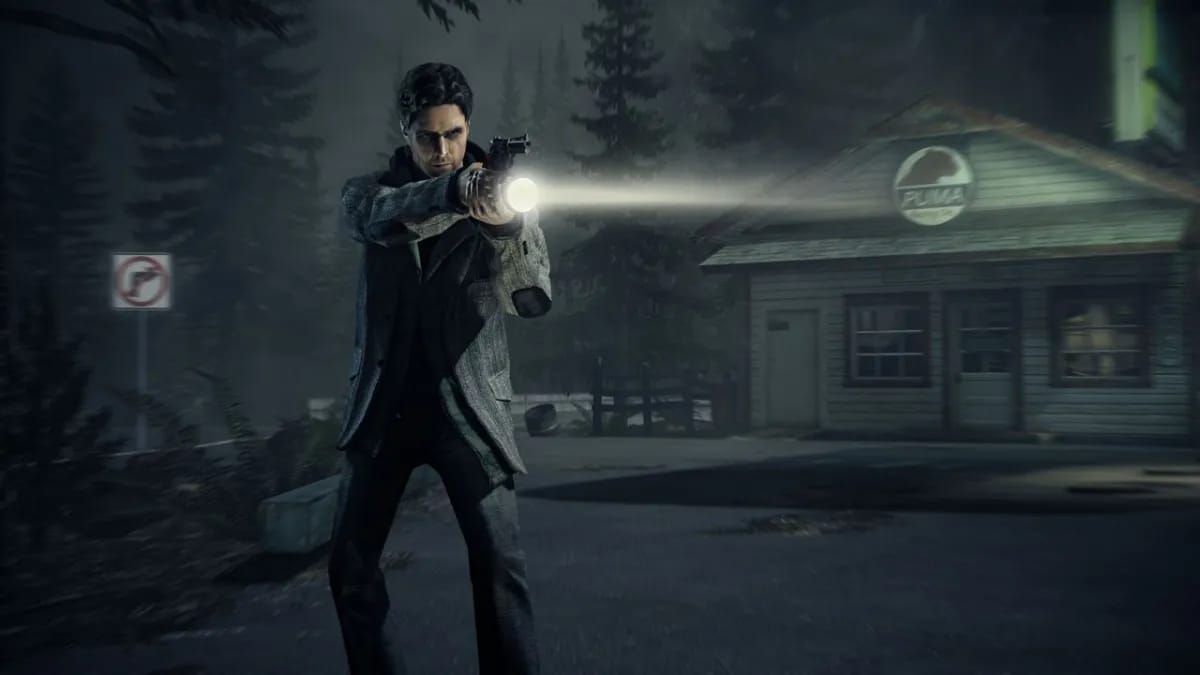
On the broader state of immersive sims, Smith Evergreen argues the genre has been caught in an arms race it can't win. AAA budgets inflate publisher expectations and force niche games to compete with Ghost of Tsushima and GTA 6 for mainstream attention — an audience mismatch he thinks the industry keeps misreading. His friend Harvey Smith, the Dishonored director who recently left Arkane to found Black Pony Immersive, pushes back gently: he agrees budgets need to be right-sized, but believes immersive sims can work at any scale, pointing to Deus Ex and Dishonored as proof that big budgets, when paired with genuine systemic depth, produce something special. The two broadly agree there's a sweet spot — go too small and you lose the emergent complexity that defines the genre; go too large and conservative feature-cutting kills it anyway. On graphics specifically, Smith Evergreen thinks the fidelity race should have stopped with the original Alan Wake in 2010. "The fidelity curve has become outrageous," he said — arguing that Alan Wake already hit the threshold where players fully understood the world and atmosphere, and everything since has been expensive spectacle that immersive sims in particular don't need.
Smith Evergreen is also looking forward to Nightdive's upcoming Thief: The Dark Project remaster, calling the studio "very trustworthy" and noting that enough time has passed since he made the original that playing a remaster will feel genuinely fresh. His own new project remains unannounced, but he says players will hear about it "before too long".
Sources (3)
AI-assisted summary, reviewed by our editors — how we work.
Get the daily digest
Top gaming news in Lithuanian — every day at 9:00.