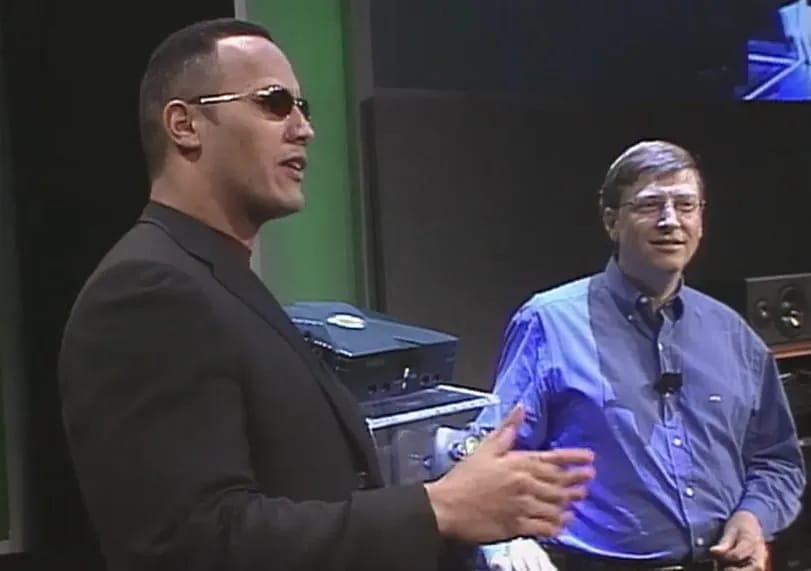
Laura Fryer, one of the original members of Microsoft Games Studios and a founding contributor to the first Xbox, says the skepticism she carried into that project 25 years ago is looking more justified by the day. In a new video, she reflects on where Xbox went wrong — and where it might be headed next.
Fryer was blunt about her original position: "I was one of the biggest skeptics on the team. My thinking at the time was that Windows was already the dominant gaming platform with over 90% of PCs running it. I felt like we were abandoning the most successful gaming platform in the world for a risky bet that we weren't ready for." Some of that was personal — Xbox was pulling resources from her projects, including the Internet Gaming Zone — but her deeper concern was structural. Console makers like Sony and Nintendo had established supply chains and could absorb hardware losses through game sales and licensing. Microsoft didn't have that muscle. Those fears faded as Xbox found its footing with online gaming, Halo, Fable, and Gears of War — the last of which Fryer executive produced.
Now she thinks the structural cracks are showing again, under very different conditions. The AI-driven hardware cost crunch, Game Pass cannibalizing game sales, and a rapid acquisition spree that has put studios at risk — Ninja Theory being a recent example — have left Xbox in a precarious spot. Fryer's argument is that a company like Microsoft, whose core business is software and cloud, can't sustain a hardware platform the way a dedicated console maker can. Sony and Nintendo aren't gambling their primary business when they invest in hardware. Microsoft is.
What Fryer expects to happen is a gradual pivot back toward Windows. She doesn't think Xbox gets killed outright, but she believes the aggressive growth of the past decade gets unwound, and that the rumored Helix device will try to pull the console audience back toward PC gaming. Microsoft's own quote backs this up: "A lot of people love having a dedicated box under the TV that just works. Microsoft knows they can't abandon the living room even if the math doesn't work. That's why they're working on a way to bring the console experience to PC." With Linux-based alternatives like the Steam Deck gaining ground and some users ditching Windows entirely, the window for that pivot may be narrowing.
Sources (1)
AI-assisted summary, reviewed by our editors — how we work.
Get the daily digest
Top gaming news in Lithuanian — every day at 9:00.